


AI-driven materials discovery: what happens when trial and error gets replaced by prediction
In November 2023, DeepMind published a list. It contained 2.2 million crystal structures.
Read full article →When products fail, quality slips, material changes create risk, or a technical dispute demands clarity, Flaney Associates provides direct access to senior materials-science and engineering expertise.
These are the situations where an independent technical view usually pays for itself — and where being wrong is expensive.
Parts cracking, warping, discolouring or leaking in service, with returns and customer complaints escalating behind them.
An “equivalent” grade, a supplier change or a cost-down target on a part that is currently working.
Scrap climbing, quality drifting between shifts or lots, and a process that has never settled into a stable window.
A programme slipping on materials questions, or a formulation that works at pilot scale and not in production.
A technical question at the centre of a claim, where the answer has to hold up under scrutiny.
Each has its own page setting out when it applies, how the work runs and what you receive.
Determine why a material, component or product failed — and what action is most defensible.
Failure & root-cause analysis →Select and validate materials for performance, manufacturability, cost and real service conditions.
Materials selection & qualification →Reduce development risk from concept through production.
Product development →Improve yield, quality, throughput and process consistency.
Process optimization →Make better technology, supplier and development-investment decisions.
Technical due diligence →Independent materials-science expertise for product liability, IP and technical disputes.
Expert witness & litigation support →
JOPhD, CEng, FIMMM
Founder & Principal, Flaney Associates, LLC
Large firms offer scale. Flaney Associates offers focused, principal-level attention to the decision behind the technical problem. The person you speak with first is the person who reviews the evidence and signs the findings.
The investigation is scoped around the decision that is waiting on it, which is what keeps it proportionate.
Define what is happening, what it is costing and what decision needs to be made.
Review evidence, process history, samples, documents and the candidate causes.
Prioritise analysis, testing, trials or technical review around that decision.
Findings, risks, recommendations and next steps, in clear language.
Qualifications, appointments and publications that can be checked. Client results are not published here, because engagements of this kind are confidential and unverifiable claims are worth nothing.
Listed only where there is a record behind it — in the material systems, process areas and failure modes that define the sector.
Engineering plastics, polyolefins, polyamides, polyurethanes and thermosets — degradation, formulation and performance.
Carbon and aramid fibre composites, FRP/GRP, nanocomposites and organic–inorganic hybrid systems.
Extrusion, injection moulding, compounding, coatings and films, and the rheology that connects them.
Consumer plastics, packaging and barrier performance, thin films, electronics housings and recreation products.
Lightweighting and material substitution, battery-system polymers, and aircraft and aerospace components.
Petrochemical service environments, underground storage tanks and flexible piping, and protective coatings.
Written for engineers, operations leaders and counsel who have a materials decision in front of them.
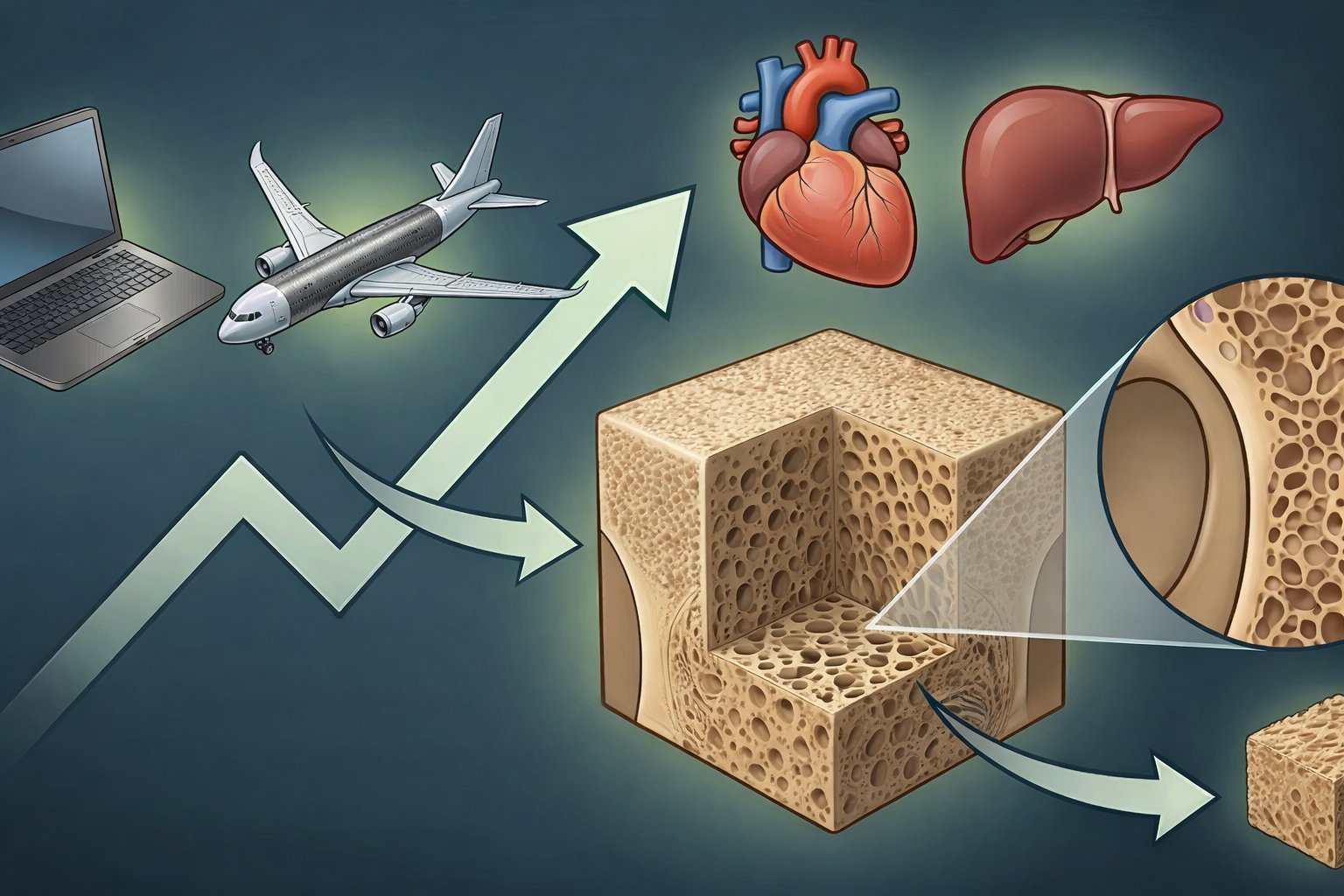
In November 2023, DeepMind published a list. It contained 2.2 million crystal structures.
Read full article →
In 1981, John Watson crashed his McLaren at Monza at roughly 170 mph. The car disintegrated. Watson climbed out and walked to the medical center.
Read full article →
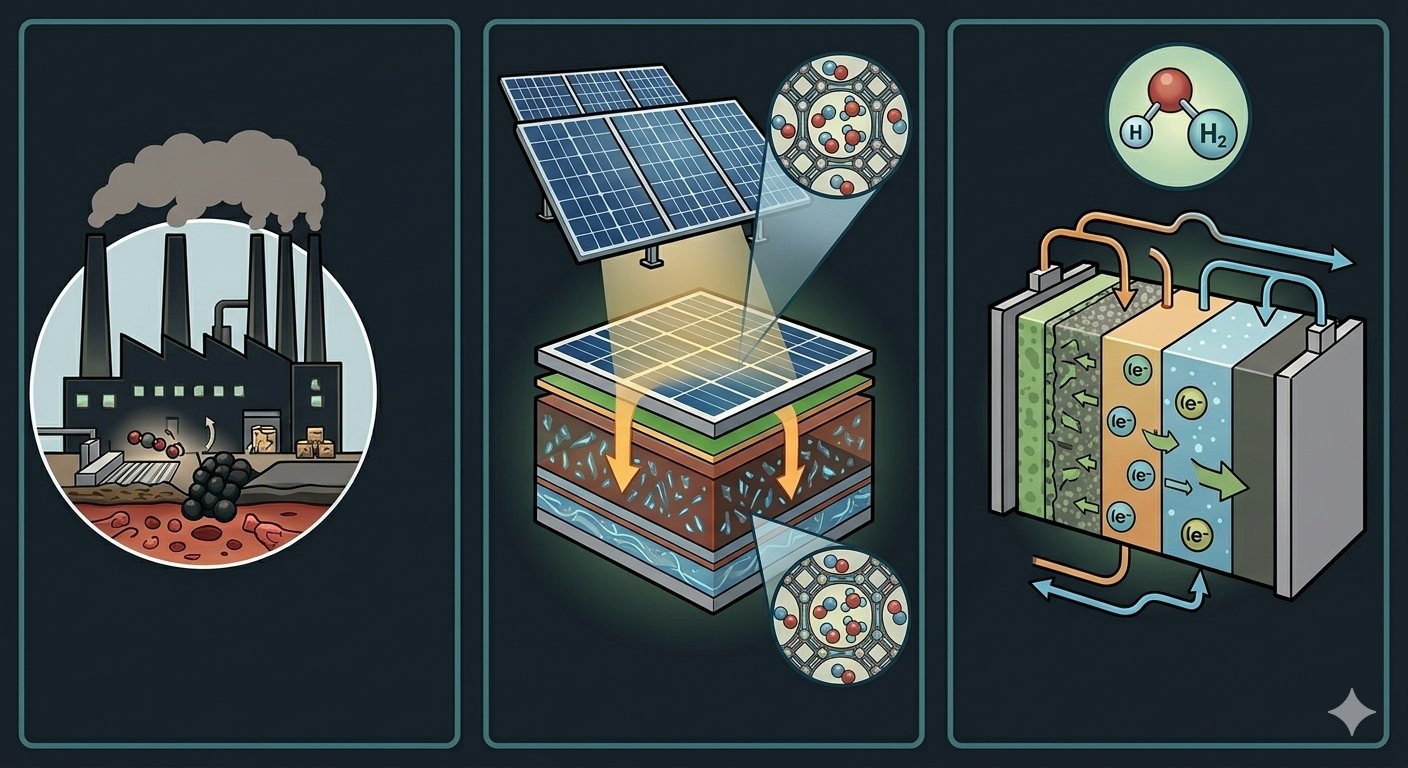
The energy transition is, at its core, a materials problem.
Read full article →
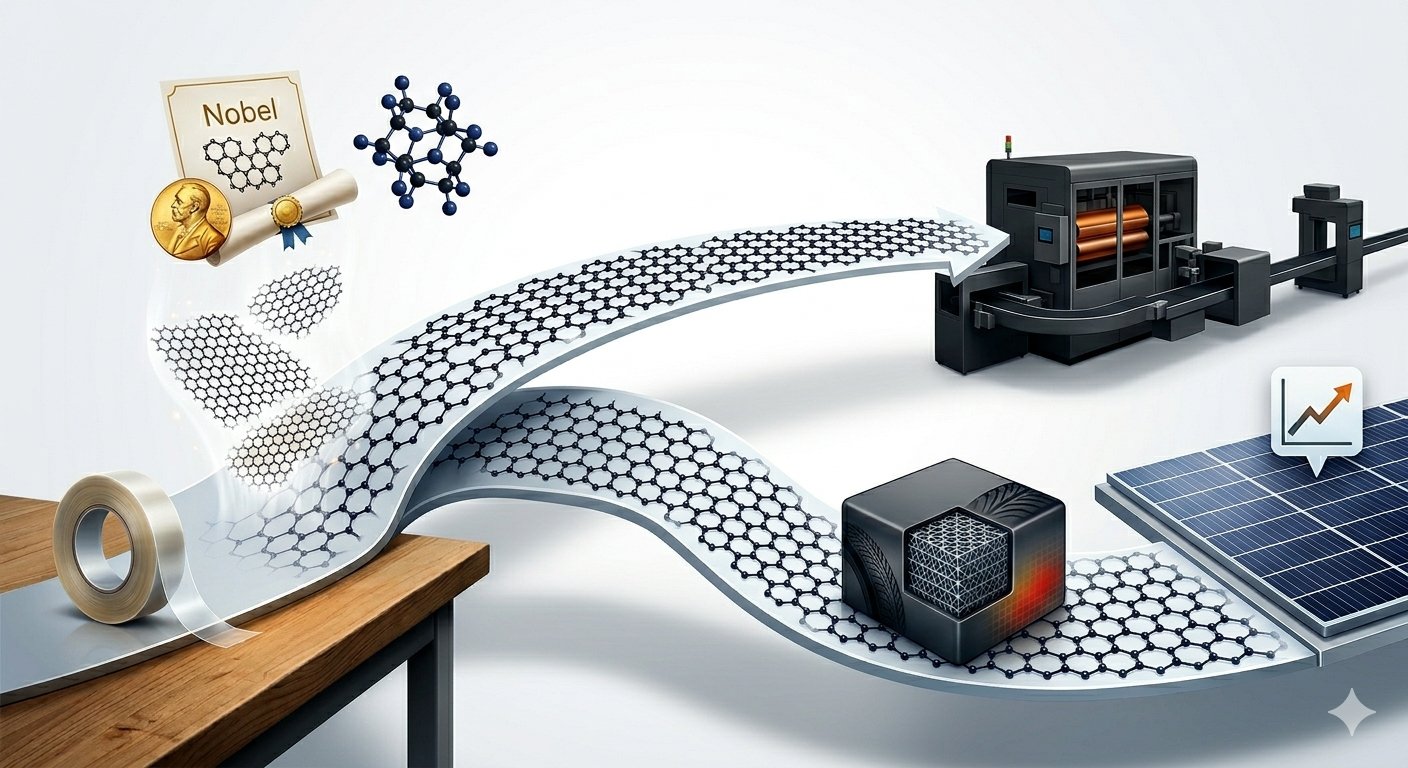
In 2004, Andre Geim and Konstantin Novoselov used Scotch tape to peel single-atom-thick flakes of carbon off a graphite block at the University of Manchester. It sounds ridiculous. It worked. Six years later, they shared the Nobel Prize in Physics.
Read full article →
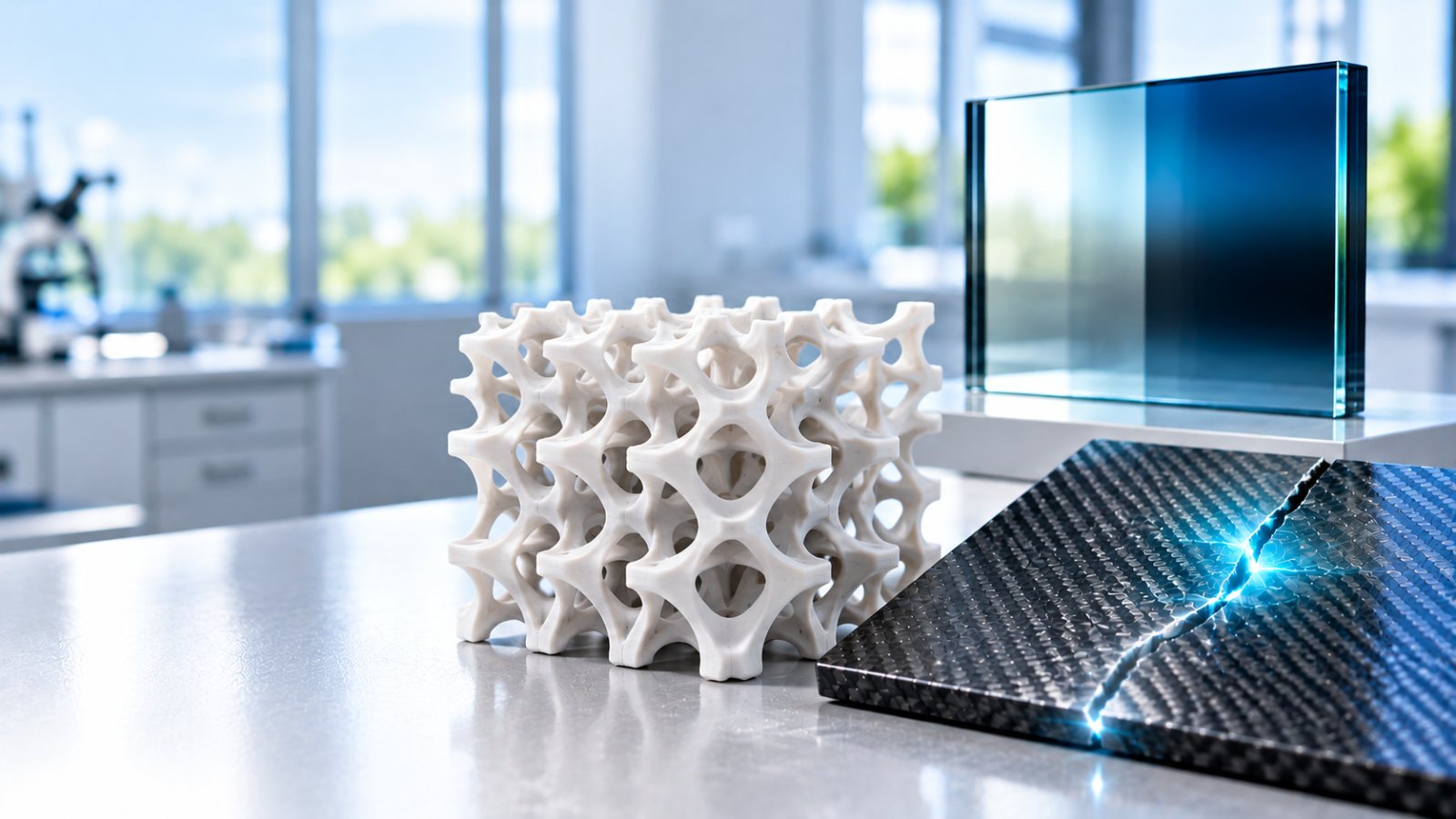
For most of engineering history, a material's properties were set by its chemistry. Steel is stiff because of its metallic bonding; rubber stretches because of its long, flexible polymer chains; glass is transparent because of how its structure interacts…
Read full article →
Steel and cement together account for roughly 15% of global CO2 emissions. Not transport. Not power generation. The materials that hold buildings up and connect them to roads — the production side gets far less attention than it deserves.
Read full article →A short guide for deciding whether a product failure, quality problem, material change or process issue requires independent technical review — or whether your own team should keep it.
A short conversation is usually enough to tell whether independent technical review is worth it — and if it is not, you will be told so.
Describe what is happening, what it is costing and what decision is waiting on it. You will get a direct assessment of whether and how this can be investigated.
Discuss Your ChallengeSend the parties and the technical subject matter only — no case details, no documents. Conflicts are cleared before any substantive discussion takes place.
Request a Conflict Check